TL;DR
- Back pain during pregnancy is common, but most times is also normal, temporary, and manageable.
- Common causes: Hormonal changes, weight gain, muscle fatigue, stress, posture changes, poor sleeping positions, nerve pressure.
- Common symptoms: sharp pain while standing, walking, or changing positions; constant stiffness or ache; muscle spasms; radiating pain; pain that worsens after activity or at night.
Safe relief methods for pregnancy back pain:
- Proper posture
- Supportive shoes
- The right support while sleeping
- Gentle muscle strengthening exercises
- Heat or cold applications
- Prenatal massage
- Maternity belt
- Avoidance of heavy lifting
- Healthy lifestyle habits
Get medical help if pain is sudden, severe, worsening, accompanied by fever, numbness, or bleeding, present during urination, or if you can’t sleep or do your usual tasks.
Managing Discomfort During Pregnancy
The journey to motherhood is filled with anticipation, change, and moments of wonder, but it can also bring new physical challenges your body has never experienced before. From subtle shifts to more noticeable discomforts, pregnancy asks a great deal of you. One of the most common concerns many expectant mothers face is back pain, particularly in the lower back. It can begin as a mild ache or develop into a persistent discomfort that lingers throughout the day.
The good news is that this kind of pain is both common and temporary. More importantly, it’s not something you have to simply endure. With the right understanding and gentle support, back pain doesn’t need to disrupt your sleep, limit your daily activities, or diminish your overall sense of well-being.
In this guide, we’ll explore why lower back pain occurs during pregnancy, the signs to look out for, and when you should visit your OB clinic. With a little knowledge and care, you can take positive steps towards feeling more comfortable and supported as your body prepares for motherhood.
Also read: Essential checklist for planning pregnancy
What Causes Back Pain During Pregnancy?
Lower back pain during pregnancy can be achy, dull, or sharp. It’s also common to feel pain all around your pelvic girdle (lower back, hips, and pubic area).
Let’s look into the causes:
- Hormonal Shifts: Changes in the levels of hormones like progesterone and relaxin often trigger back pain during early pregnancy. Your ligaments, especially in the pelvic region, relax, stretch, and become softer. And this exerts strain on the pelvic and lower back joints.
- Muscle Separation and Fatigue: Your abdominal muscles stretch and weaken during pregnancy, which means your back is less supported than before. As the pregnancy progresses, muscles support the growing fetus by working harder. Naturally, they get sore, especially when a day ends.
- Weight Gain: When the additional weight of a growing baby exerts pressure on the lower back and spine, it can cause pain.
- Change in Posture: As your belly expands and gets heavier, your center of gravity changes, shifting forward. This causes your lower back to curve in an exaggerated way, which can be painful.
- Stress: Feeling stressed can cause your muscles to tense up, worsening the lower back pain.
- Poor Sleeping Positions: Sleeping in an awkward position or without adequate support can exert strain on your back and aggravate discomfort.
- Nerve Pressure: Pain in the lower left back during pregnancy sometimes happens when your uterus expands and presses down on the nerves nearby. The pain can be radiating or sharp.
Symptoms of Back Pain During Pregnancy
While some women might experience horrible back pain during pregnancy, for others, it might be milder.
- Constant stiffness or stubborn aching in the lower back
- Sharp pain when you walk, stand up, or change positions
- Pain that radiates to the hips or thighs
- Muscle tightness or spasms
- Pain that gets worse after physical activity, sitting or standing for extended periods, climbing stairs, or at night
How To Relieve Back Pain Symptoms During Pregnancy
Wondering how to safely and effectively relieve lower back pain during pregnancy. Try these gentle, practical options:
1. Proper Posture
Maintaining good posture can ease the strain on your muscles and spine. So, stand straight with your shoulders relaxed and make sure your head is above them. Don’t lock your knees. And while sitting, ensure your back is supported. Also, your feet should lie flat on the floor.
2. Supportive Footwear
Supportive shoes with low heels help you maintain balance and reduce stress on your lower back. Avoid high heels, as they can impair your posture and trigger pain.
3. Proper Support While Sleeping
For maximum back comfort, consider sleeping on your side and slightly bend the knees. Wedge a pillow in between them too. For extra support, you can keep a pillow under your growing belly. And for full-body support, investing in a pregnancy pillow is a great idea.
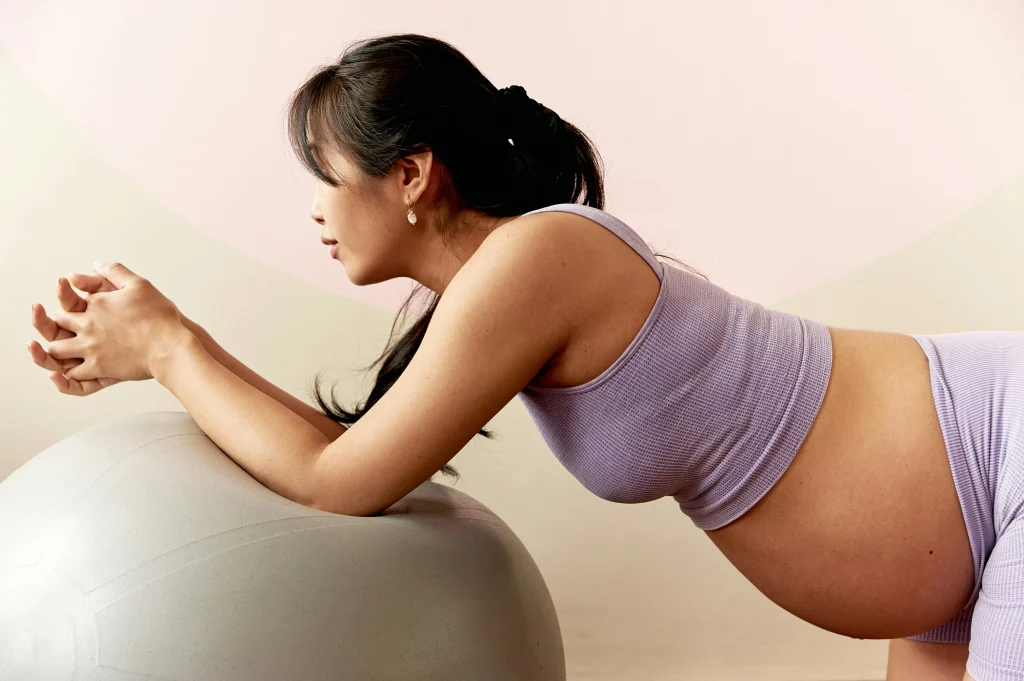
4. Gentle Stretches and Exercise
Walking, swimming, prenatal yoga, and gentle stretches are some low-impact movements that can boost your flexibility and make your muscles stronger. You can engage in them regularly after consulting your doctor.
5. Heat or Cold Application
To relax tight muscles, use a heating pad on a low setting or a warm compress. To get relief from inflammation, cold packs might be useful. In either case, apply the heat or cold for short periods. And make sure your abdomen isn’t exposed to direct heat.
6. Prenatal Massage
A trained and certified prenatal therapist can improve your circulation, ease muscle tension, and reduce stress through gentle massages. However, talk to your OB-GYN first.
7. Maternity Support Belt
Wearing a support belt specifically designed for pregnancy can distribute your expanding belly’s weight evenly. And this can lower the pressure on your pelvis and lower back area, particularly when you are walking or standing.
8. Caution With Heavy Lifting
For some people, avoiding heavy lifting can help control lower back pain during pregnancy. When lifting a heavy object, it is close to you. Bend at the knees rather than the waist and don’t twist while lifting.
9. Healthy Lifestyle Habits
To minimize the frequency and intensity of back pain, adopt these daily habits:
- Instead of standing or sitting for long, take breaks frequently
- Don’t lean forward or slouch
- Drink enough water for good muscle health
- Meditate or practice breathing exercises to handle stress
- Instead of doing physically demanding tasks yourself, get help
When to Get Medical Attention for Back Pain?
Though back pain is common when you are expecting, see a doctor if:
- Pain is intense and gradually getting worse
- Pain is sudden and severe
- Pain is accompanied by bleeding, fever, or numbness
- Urination is painful
- You cannot sleep or do your usual tasks due to the pain
Don’t Let Back Pain Ruin the Joys of Pregnancy
It’s completely normal to experience back pain during pregnancy as your body adapts to support a growing baby. The good news is that this discomfort can often be managed with simple, supportive measures. These include gentle exercise, using maternity support belts, or prenatal massage. However, if something doesn’t feel right or if you experience symptoms such as fever, bleeding, or severe pain, it’s important to contact your doctor without delay.
Trust Almara Clinic for Pregnancy Back Pain Management
At Almara Women’s Clinic, board-certified OB-GYNs help you understand and manage the uncomfortable aspects of pregnancy effectively, including back pain. They assess your current health status, medical history, and personal preferences before tailoring the best solutions. For expecting women in the Twin Cities, we have 10 clinics that offer comprehensive care. Contact Almara to zero in on the one nearest to you. We can also address your queries at info@helloalmara.com.
FAQs
Common reasons include hormonal changes, muscle separation, stress, posture changes, weight gain, nerve pressure, and poor sleeping positions.
The feeling varies across women. You might feel a dull ache or persistent stiffness, sharp pain when standing up, walking, or changing positions, or pain that reaches your thighs and hips. Muscle spasms and pain that worsens at night or after activity are also common.
Yes, light stretches or low-impact exercises like swimming, walking, or prenatal yoga can help. Check with your health care provider.
Avoid standing or sitting for too long, don’t slouch, stay hydrated, and also manage stress with meditation or deep breathing. Ask for help when it comes to physically exhausting tasks.
See a doctor if the pain is sudden and severe, worsening gradually, or accompanied by numbness, fever, or bleeding. Medical advice is also recommended if it hurts while urinating or if you can’t do your usual activities or sleep.