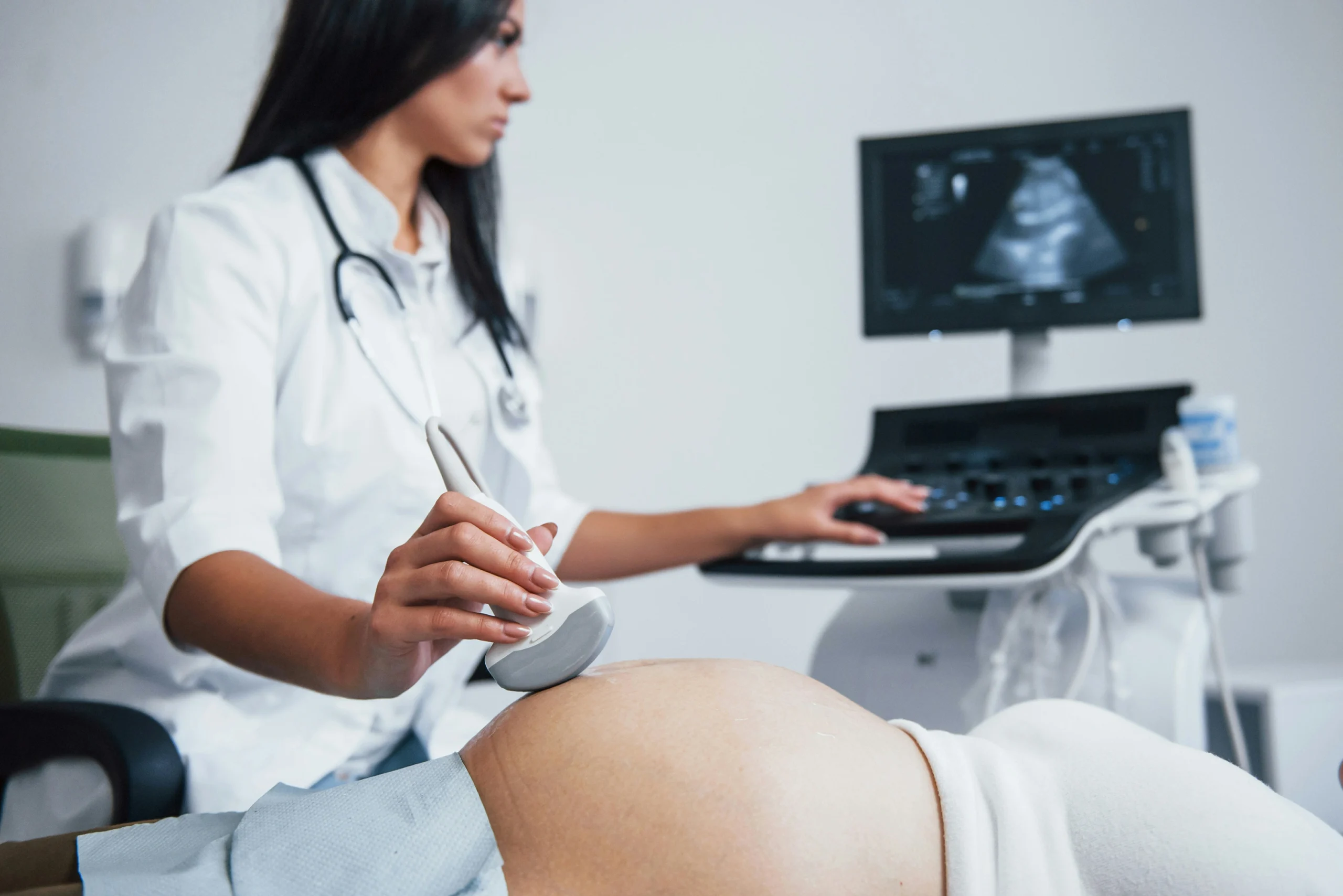
Almara provides Gestational Diabetes management through a multidisciplinary care team that includes a maternal-fetal medicine specialist, a dedicated nurse practitioner, and dietitian. The program offers personalized support with a focus on education and resources to help patients achieve optimal glucose control through a healthy meal plan, regular exercise, stress reduction, and blood glucose monitoring.
Gestational diabetes is caused by a combination of factors including hormonal changes and insulin resistance. During pregnancy, hormones from the placenta can interfere how the body responds to the hormone, insulin. Insulin helps the body maintain normal blood sugar levels. If the body is not able to control the blood sugar level appropriately, this can lead to gestational diabetes.
Who is at risk for gestational diabetes?
Anyone can get gestational diabetes during pregnancy. Factors that increase your risk include: heart disease, high blood pressure, obesity, or being overweight before pregnancy, history of having gestational diabetes in other pregnancies, family history of type 2 diabetes, PCOS, advanced maternal age, and pre-diabetes.
How is gestational diabetes diagnosed?
Gestational diabetes is diagnosed using a glucose tolerance test. An oral glucose tolerance test is a medical test to determine how well the body processes sugar. To complete the test, you will drink a solution that has a specific amount of glucose and will have a blood drawn after a set amount of time. The blood glucose level from the blood draw will indicate if the patient has normal blood glucose tolerance or gestational diabetes.
What are complications of unmanaged gestational diabetes?
Uncontrolled blood sugars can lead to complications for both the mother and the baby. For the mother risks include needing a C-section (if baby is too big) and preeclampsia (high blood pressure during pregnancy). Women with gestational diabetes are also at increased risk for developing type 2 diabetes later in life.
How does gestational diabetes affect my baby?
Gestational diabetes increases the risk for baby to have increased birth weight (macrosomia), breathing problems at birth, hypoglycemia (low blood sugar) at birth, obesity, premature birth and type 2 diabetes later in life.
How is gestational diabetes treated?
Most women are able to manage their gestational diabetes with diet and exercise. Some women do require the addition of insulin for blood sugar control.
How is gestational diabetes managed during pregnancy?
If diagnosed with gestational diabetes, you will have more frequent monitoring through additional ultrasounds to monitor baby’s growth. You will also need to regularly test your blood sugar from diagnosis to delivery to ensure your blood sugars are well managed. You will follow up regularly with our registered dietitian to ensure your blood sugars are well controlled.
A different kind of care
Get to Know Almara Women’s Health
Almara Women’s Health is an independent practice that is owned and operated by physicians. This gives us the ability to build a more comprehensive and personalized health care delivery system specifically around the needs of women. Learn more about how to get a personalized, evidence-based, and comprehensive approach for your life and longevity.
TL;DR Understanding the Different Stages of Labor: Ease Your Transition to Motherhood At Almara Women’s Health, we have witnessed moms-to-be go through unique labor experiences
TL;DR Take Charge of Your Physical & Emotional Health Feeling some physical discomfort or emotional changes before your period is common and is part of
TL;DR Managing the Challenges of Menopause At Almara, we meet women every day seeking guidance on navigating this natural life transition. Menopause brings meaningful changes,
Key Takeaways What Can an Ultrasound Tell You About Your Pregnancy? When you are expecting, it’s natural to have countless questions about your baby’s development