
TL;DR
- PCOS is a hormonal and metabolic condition that affects 6 to 13% women of reproductive age, often starting during their 20s and 30s.
- Insulin resistance, high levels of androgens, low-grade inflammation, and genetic factors play a role in causing PCOS.
- Some of the common signs are irregular periods, unwanted hair, ovarian cysts, acne, increased weight gain, hair thinning, and mood changes.
- Simple lifestyle changes, such as maintaining a healthy weight, following a balanced diet, exercising regularly, and managing stress, can go a long way in helping manage PCOS.
- Treatment may include birth control pills, metformin, fertility drugs and hair growth, and acne treatments.
What is Polycystic Ovary Syndrome?
Polycystic ovary syndrome,better known as PCOS, is a hormonal condition that affects the normal functioning of the ovaries. Because of this imbalance, many women experience missed or irregular periods along with changes in their skin, hair, or weight. For some, it can also make conceiving more difficult.
Around 6 to 13% of women in their reproductive years live with PCOS, making it one of the most common health issues among young women. Most cases are diagnosed in the 20s or 30s, a stage when both health and fertility are important, which is why early awareness can make a significant difference in managing the condition effectively. Let’s take a closer look at the causes, symptoms, and effective strategies for managing PCOS.
What Causes Polycystic Ovary Syndrome?
The exact cause of PCOS is not known, but several factors may contribute, such as:
- Insulin Resistance: Insulin is made by the pancreas, and it helps your body use sugar for energy. If the cells become immune to insulin (insulin resistance), blood sugar levels rise, which then means your body has to produce more insulin. This extra insulin can trigger male hormones (androgens), making ovulation harder.
- Higher Levels of Male Hormones: In PCOS, high levels of male hormones or androgens interfere with ovulation. This means that the eggs don’t develop properly and are not released from the follicles. Excess androgens also cause symptoms like acne and excess hair.
- Low-grade Inflammation: When there’s an infection or injury, your white blood cells release substances to protect the body. In PCOS, however, women often experience ongoing low-grade inflammation, which can trigger the ovaries to produce more male hormones and worsen symptoms.
- Hereditary or Genetic Factors: Having a family history of PCOS increases the risk of developing the condition. Research also suggests that some genes related to insulin and hormone regulation might be linked to PCOS.
Common Symptoms of Polycystic Ovary Syndrome
PCOS symptoms can look and feel different for every woman, but here are some of the most common symptoms:
- Irregular Periods: In PCOS, lack of ovulation leads to irregular menstruation, which may mean missed or absent periods. Some women may also experience very heavy bleeding during their cycles.
- Abnormal Hair Growth: Up to 70% women experience excessive or abnormal facial or body hair on their chest, abdomen, and back.
- Acne or Oily Skin: Many women with PCOS have oily and acne-prone skin due to excessive male hormones. PCOS acne is usually seen on the upper back, chest, and face.
- Excess Weight: Around 4 in 5 women with PCOS struggle with excess weight, and losing it can be more challenging than usual. Weight gain is often seen around the belly, also called the “polycystic ovarian syndrome belly,” where the belly appears round and firm due to the accumulation of fat.
- Male Pattern Baldness or Hair Thinning: Some might experience bald patches, and the hair on the scalp starts to thin and fall out.
- Darkening of the Skin: You may notice dark patches of skin, especially in creases of areas such as the armpits, neck, groin, and under the breasts.
- Skin Tags: These are tiny flaps of extra skin and are another common symptom for people with PCOS. They are mostly seen in the neck and armpits.
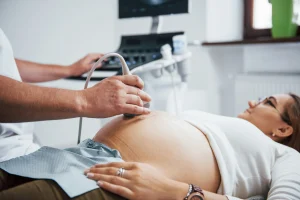
- Cysts: Many women with PCOS have large ovaries and show multiple small fluid-filled follicles (cysts) on an ultrasound.
- Infertility: PCOS is a common reason behind infertility in women because of the irregular or absence of ovulation, making it difficult to conceive.
PCOS can also affect moods and increase the risk of depression and anxiety in women. Moreover, people with PCOS are more likely to develop heart disease.
Up to 70% of women with PCOS remain undiagnosed. At Almara, we recognize this gap in care and never dismiss early symptoms as “just hormonal changes.”
How to Manage PCOS Symptoms?
While there is no ‘cure’, some lifestyle changes and medical treatment can make a big impact in managing symptoms. Here’s what we recommend at Almara Women’s Clinic:
Lifestyle Changes
Making these simple readjustments to your daily routine can go a long way in easing PCOS symptoms:
- Weight Management: Maintaining a moderate weight and losing at least 5 to 10% of your weight can help regulate your periods, balance your hormones, and improve PCOS symptoms.
- Diet: Focus on a low-carbohydrate and low glycemic index diet, try to eat more whole foods, grains, vegetables, fruits, and lean proteins. The key is to be consistent to see results.
- Exercise: Try setting up an exercise routine with 150 to 300 minutes of moderate-intensity or 75 to 150 minutes of vigorous-intensity aerobic activity per week. With PCOS, the key is to keep your body moving.
- Stress Management: Stress can make matters worse. Try to practice meditation, yoga, and simple breathing exercises to keep your mind calm.
Medical Treatment
Your doctor will treat polycystic ovarian syndrome based on your symptoms, medical history, and whether you wish to get pregnant. Here are some treatment options:
To Regulate Periods:
- Birth Control: Hormonal birth control options with progestin and estrogen help regulate your periods, manage acne, and reduce hair growth.
To Help Ovulate:
- Metformin: Metformin is used to treat diabetes. It works by helping the body process insulin. Once insulin levels are controlled, people with PCOS see improvement in their monthly cycles with regular ovulation.
- Drugs to Induce Ovulation: Certain drugs like gonadotropin injections, clomiphene, and letrozole oral pills have been proven to cause ovulation in women with PCOS.
To Reduce Excessive Hair Growth and Breakouts:
- Eflornithine cream (Vaniqa) can help reduce or slow down hair growth.
- Spironolactone (Aldactone) blocks and reduces the effect of male hormones (androgens).
- Laser hair treatment and electrolysis can help remove unwanted hair from the face and body.
- Women with PCOS can also treat their acne with the help of oral medications and prescription creams.
Moving Forward with PCOS
Living with polycystic ovary syndrome can feel overwhelming, especially when symptoms affect both your body and daily life. That’s why having the right care and support makes all the difference.
At Almara Women’s Clinic, we understand these struggles and offer expert care, including specialized support for infertility. Our physicians work closely with you, providing guidance and reassurance every step of the way.
With 10 conveniently located clinics across the Twin Cities, help is always within reach. For more information or to schedule an appointment, please contact us at info@helloalmara.com at your convenience.
FAQs
No, PCOS is not considered an autoimmune disorder. It’s a hormonal and metabolic condition.
Yes, it can cause weight gain, especially around the belly area, due to insulin resistance and an imbalance of male hormones (androgens).
Your diagnosis is based on the symptoms you have. Doctors often get a blood test done to check for hormone levels, a physical exam, and an ultrasound to check for ovarian cysts.
Having PCOS can increase your risk of pregnancy complications like miscarriage, pre-eclampsia, or a pre-term birth. However, with the right care and treatment, many women go on to have healthy pregnancies.
PCOS is a lifelong health condition, and it doesn’t really go away. However, its effects can change with time, and you can manage the symptoms with lifestyle modifications and treatments.