
Adolescence to Aging
Almara’s Gynecology in Plymouth blends advanced female reproductive care with personalized general and mental health services. We provide comprehensive, compassionate support for every stage of your life, from your first visit to a Plymouth gynecologist to managing menopause and beyond.
10 easy-to-access Twin Cities locations
Choose from 65+ Board certified OGBYNs and APPs
Routine to Specialty Care
At Almara’s gynae clinic in Plymouth, services are delivered through a curious, education-forward approach. Our Plymouth gynecologist will take time to understand your goals, concerns, life factors, and health history to create a personalized care plan that works for you.
A well-woman exam is a yearly check-in on your reproductive and overall health. It usually includes a pelvic exam, breast exam, and Pap test if needed. These visits are also a time to talk openly about periods, contraception, lifestyle changes, or anything else on your mind. They’re a key part of catching small issues before they become bigger concerns.
Sexually transmitted infections often don’t cause noticeable symptoms, which makes regular testing an important part of your routine care. Depending on your situation, testing might involve urine samples, blood work, or swabs. These visits are also a chance to ask questions, learn about protection, and make informed decisions about your sexual health.
Polycystic Ovary Syndrome (PCOS) affects hormone levels and may cause symptoms like irregular periods, acne, or excess hair growth. Diagnosis typically includes blood tests and an ultrasound. Learning more about PCOS is the first step toward managing symptoms and long-term effects like fertility concerns or insulin resistance. With the right care, many people manage PCOS well and feel more in control of their health.
Fibroids are non-cancerous growths that develop in or around the uterus. Many go unnoticed, but others can cause symptoms like heavy bleeding or pelvic pressure. Diagnosis often includes a pelvic exam or ultrasound. Understanding whether fibroids are present can help guide treatment, especially if symptoms are affecting your day-to-day life.
Vaginal discomfort can show up as itching, dryness, or changes in odor. These symptoms may be caused by infections, hormonal shifts, or everyday habits. A simple exam or lab test can help identify the cause. Staying in tune with vaginal health supports long-term comfort, confidence, and early awareness of potential issues.
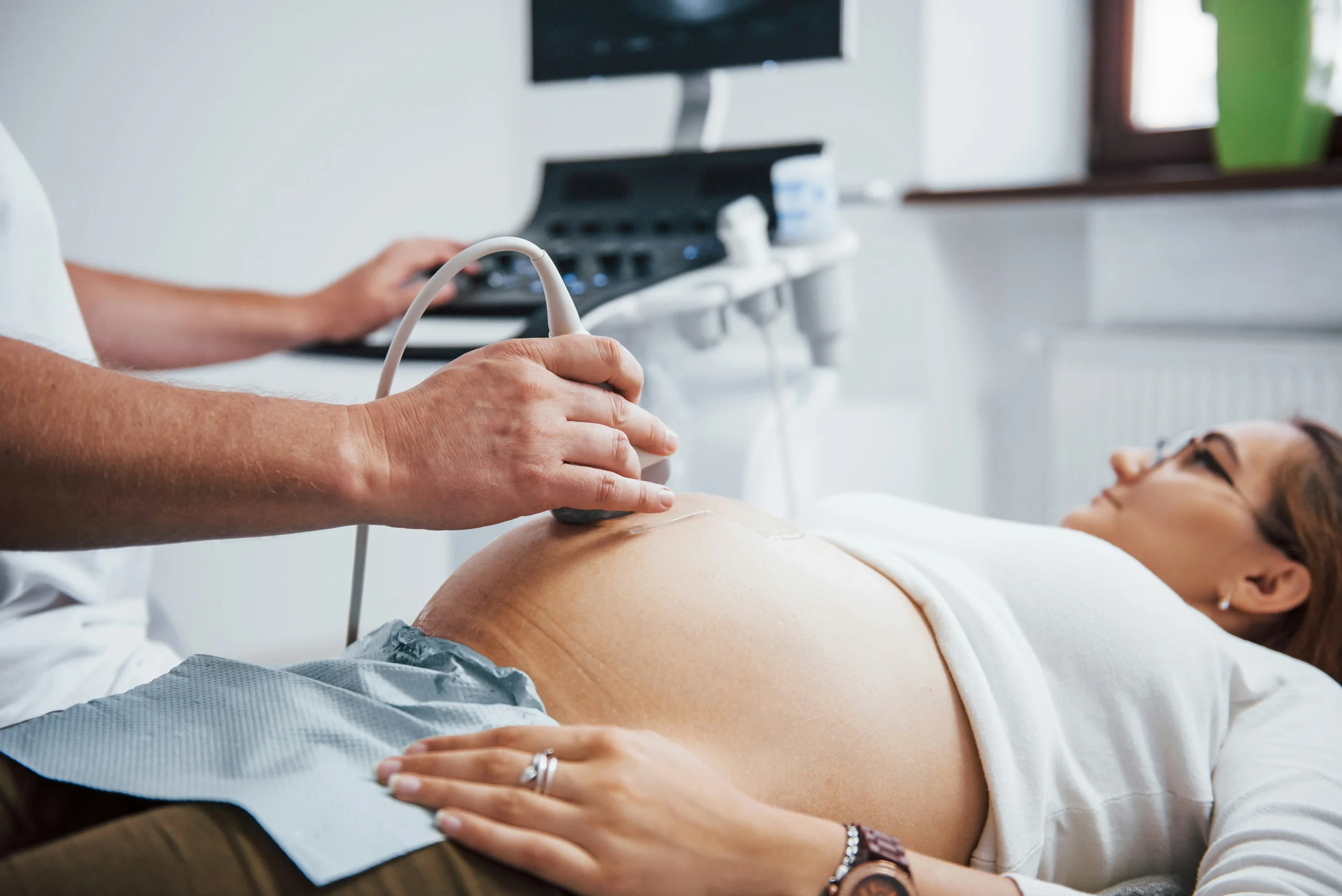
Pelvic ultrasounds use sound waves to create images of the uterus and ovaries. They’re often used to look into pain, irregular bleeding, or early pregnancy. The procedure is noninvasive and painless, offering helpful visuals that can explain symptoms and guide next steps with clarity.
Surgical care may be recommended when other treatments aren’t effective or when a clear diagnosis requires a closer look. Options might include procedures like laparoscopy, hysteroscopy, or removal of fibroids, cysts, or other tissue. Minimally invasive techniques are often used to support faster recovery and lower risk. Decisions are always made in collaboration with you, based on your needs and preferences.
Care for teens and adolescents is all about education, trust, and comfort. Appointments often focus on helping young patients understand their bodies, menstrual health, and how to recognize signs that something might be off. Physical exams aren’t always necessary; it’s more about offering clear, age-appropriate answers in a space that feels safe.
If you’re trying to conceive or just beginning to explore your fertility, testing and treatment can provide helpful answers. Providers may review cycle history, order lab tests, or suggest imaging to assess what’s happening and guide next steps. The process is always centered on your comfort, your timeline, and your goals.
Heavy bleeding or spotting between periods can be caused by hormone changes or conditions like fibroids or polyps. To get answers, your provider might recommend a pelvic exam, lab work, or imaging. Understanding the reason behind the bleeding helps guide the right treatment, whether that involves medication, lifestyle adjustments, or further evaluation.
Endometrial ablation is a treatment for heavy periods that works by removing the uterine lining. It’s typically recommended for people who don’t plan to become pregnant in the future. The procedure can be done in a clinic or surgical setting, and recovery is usually quick. Some may experience lighter periods, or no periods at all, afterward.
Cysts in the ovaries or vaginal area are fluid-filled sacs that may lead to pressure, pain, or bloating. If removal is needed, it’s often done using minimally invasive techniques like laparoscopy. Treatment depends on the cyst’s type, size, and symptoms. Recovery is generally fast, and many people feel relief soon after the procedure.
Lab work can help uncover the cause of symptoms like fatigue, hormone imbalances, abnormal bleeding, or infections. Depending on what’s needed, tests might include blood samples, swabs, or urine collection. The results provide insight into what’s happening inside your body and help point to a diagnosis or plan of care.
When it comes to birth control, there’s no one-size-fits-all. Conversations are focused on helping you explore your options, whether that’s pills, patches, IUDs, or implants. Together, you and your provider can talk through what fits your body, lifestyle, and future plans. It’s also a great time to ask about periods, sexual health, and safety.
Endometriosis happens when tissue similar to the uterine lining grows outside the uterus. It can cause pain, especially during periods, and may make it harder to become pregnant. Diagnosis often includes symptom tracking, imaging, or laparoscopy. Early identification can help ease discomfort and prevent long-term complications.
Pelvic pain, whether sharp, dull, constant, or sudden, can stem from many causes, including infections, fibroids, ovarian cysts, or muscle tension. To find the source, your provider may do an exam, run tests, or use imaging. Identifying the cause is key to creating a plan that relieves discomfort and supports daily life.
Skin tags and other benign growths around the vulva are common and usually harmless, but they can sometimes cause irritation, discomfort, or concern. When removal is needed, the procedure is typically simple, quick, and low-risk. It can improve comfort and provide clarity if there’s any question about the tissue.
Routine breast care includes physical exams, understanding your personal and family history, and getting imaging when needed. Spotting changes, like lumps, thickening, or discharge, can lead to early diagnosis and peace of mind. Preventive screenings are an empowering part of staying informed and in control of your health.
Mammograms are low-dose X-rays used to check for early signs of breast cancer. They’re often recommended once a year starting at age 40, or earlier based on personal risk. These screenings can detect changes before symptoms appear, and early detection can make a big difference in care and outcomes.

~ Anonymous (or all women everywhere)
A Different Kind of Care
Almara Women’s Health is a physician-owned practice offering personalized care through every stage of life. With services like gynecology in Plymouth, our approach is rooted in trust, connection, and clinical excellence. As an independent clinic, we focus on what really matters: care that feels thoughtful, thorough, and built around you.
Expert gynecology care available at our Plymouth location. Find the clinic nearest to you and book your visit with ease.
The practical science women need
Key Takeaways Prenatal Care: When Should You See an Obstetrician During Pregnancy? At Almara, we manage over 3,000 childbirths every year. And prenatal care is

Key Takeaways Ovarian Cysts: Awareness Is the Key to Timely Treatment According to a study published in the Institute for Quality and Efficiency in Health

Key Takeaways 8 Weeks Pregnant: A Guide to What’s Happening Now At 8 weeks pregnant, your body and your baby are going through remarkable changes,

In Summary What Is Women’s Health Month and Why Does It Matter? Every May, Women’s Health Month is an opportunity to talk about something that

Key Takeaways The Reasons behind False Positive Pregnancy Test Results Few things can change your mood as quickly as a positive home pregnancy test. If

Key Takeaways What to Know When You Are 7 Weeks Pregnant At 7 weeks pregnant, you may not have a visible bump yet, but your
Get answers
No. Gynecology covers all aspects of reproductive health, not just sexual activity. It’s important for everyone to have access to care, regardless of their sexual history.
Yes. You’re welcome to bring a support person if it helps you feel more comfortable. Just let the clinic know ahead of time in case there are any visitor limits.
Yes. Menopause may change your health needs, but regular checkups are still important. Care can focus on managing symptoms, monitoring bone and heart health, and supporting your overall wellness.
Gynecologists focus on reproductive health across all life stages, while obstetricians specialize in pregnancy, childbirth, and postpartum care. Many providers are trained in both and referred to as OBGYNs.
It’s completely normal to feel nervous. You can talk through any concerns with your provider, ask questions beforehand, and discuss ways to make the experience more comfortable. You’re in control the whole time.
Some appointments, like follow-ups, medication consultations, or symptom check-ins, can often be done virtually. You can always ask whether a visit needs to be in person or if telehealth is an option.