
Carry & Deliver with Confidence
Receive expert care at our trusted pregnancy center in Plymouth, where certified OBGYNs and advanced practitioners guide you through every stage. Each provider is part of a small, collaborative on-call team, ensuring seamless support during after-hours and delivery. You can choose to schedule all prenatal visits with one provider or rotate among our experienced team, giving you flexible and compassionate Plymouth pregnancy care that fits your needs.
10 easy-to-access Twin Cities locations
Choose from 65+ board-certified OBGYNs and APPs
Where We Deliver
In addition to our trusted pregnancy center in Plymouth, Almara partners with leading hospitals across the Twin Cities to support your delivery preferences. Our team of OBGYNs is affiliated with a range of respected medical centers, so you can choose care that aligns with your birth plan.
Our Delivery Centers
From Routine to High Risk
At our Plymouth pregnancy clinic, you’ll receive continuous care from your first confirmation through postpartum and lactation support. Our providers focus on building knowledge and confidence, supporting your physical and emotional health, identifying risks early, and offering personalized guidance, including genetic counseling and complex pregnancy management.
This service is designed to help you prepare your body for pregnancy. It may involve evaluating current medications, managing existing health conditions, reviewing vaccinations, and offering guidance on nutrition and lifestyle choices. The goal is to create the healthiest foundation possible, supporting both parent and baby from the very beginning of the journey.
Whether your pregnancy is expected or a surprise, confirmation typically begins with a urine or blood test. These tests detect the hCG hormone and may be followed by an ultrasound to estimate how far along you are. Early results provide a valuable opportunity for timely guidance, personalized planning, and supportive care at a key stage in your pregnancy.
Obstetrical care provides consistent support throughout your pregnancy, labor, and delivery. This includes regular prenatal visits, tracking your baby’s development, managing potential concerns, and preparing for birth. Your provider will guide you through each trimester with care that’s tailored to your individual experience, whether it’s your first pregnancy or a subsequent one.
Prenatal care helps ensure both you and your baby are healthy and progressing as expected. It includes routine appointments, checking vital signs, performing ultrasounds, and completing lab work. Diagnostic tools, like genetic screenings or tests for gestational diabetes, can detect issues early. This care is key to avoiding complications and making informed choices with confidence.
This type of pregnancy usually happens when a fertilized egg gets implanted outside the uterus, often in a fallopian tube. This condition can’t result in a viable pregnancy and requires immediate medical attention. Diagnosis typically includes blood work and ultrasound. Treatment typically includes medication or surgery, depending on the situation. Early diagnosis is critical to protect your health and future fertility.
Experiencing pregnancy loss is profoundly personal. Support following a miscarriage or stillbirth includes both physical healing and emotional care, along with testing when appropriate. While some causes can be identified, others may remain unknown. Follow-up care focuses on recovery and preparation for any future pregnancies, offered gently, at your pace.
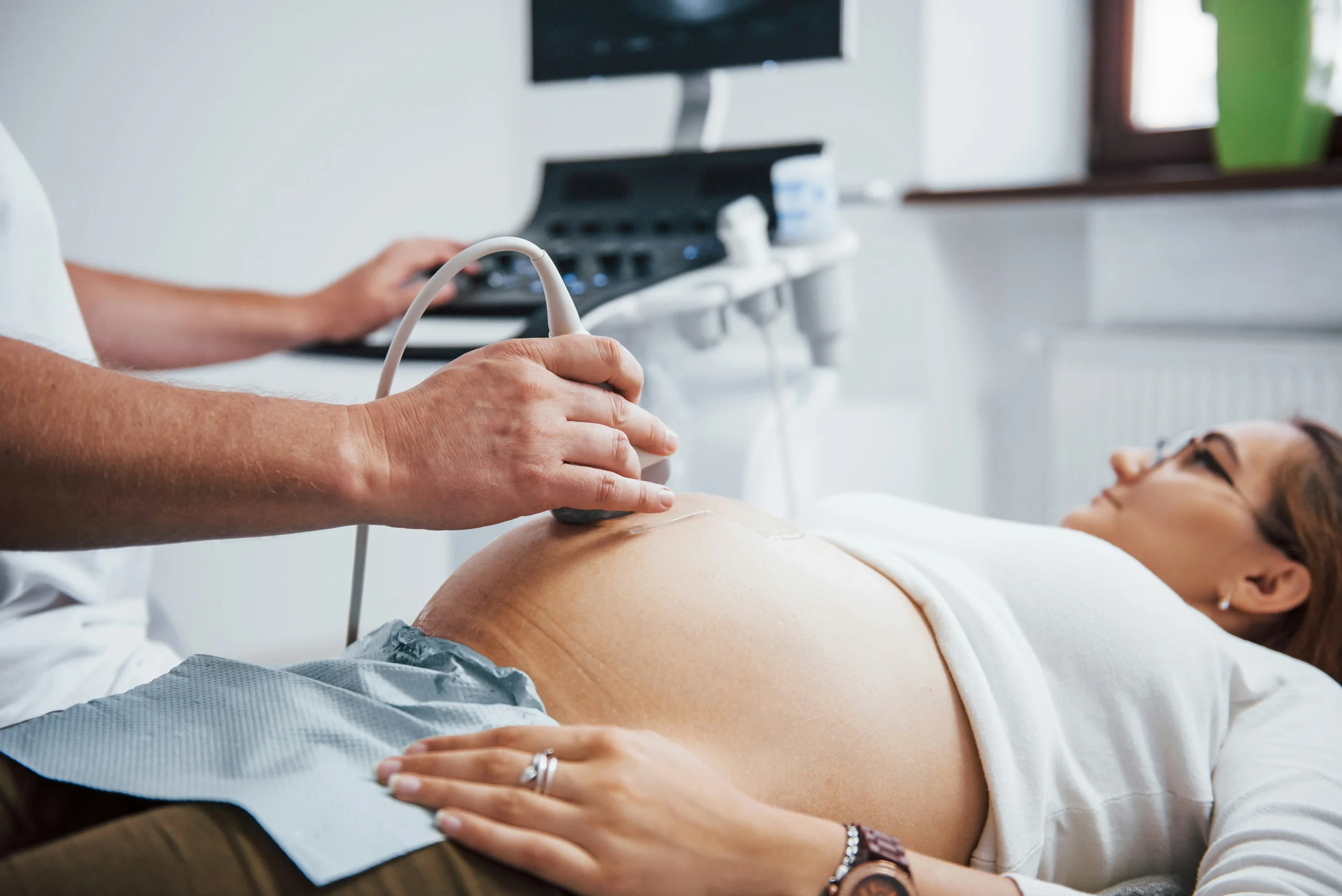
Prenatal ultrasounds use sound waves to create detailed images of your baby and reproductive organs. They help confirm pregnancy, determine your due date, monitor development, and examine anatomy. Most patients receive one in the first trimester and another comprehensive scan around 20 weeks. This safe, non-invasive test provides valuable, real-time insights into fetal health and growth.
Pelvic care during pregnancy focuses on supporting the muscles, ligaments, and organs as they adapt to your growing body. Concerns like pressure, discomfort, incontinence, or pelvic floor weakness are common. Evaluations may include physical exams or imaging. Proactive care can ease symptoms, aid in birth preparation, and promote long-term recovery.
Gestational diabetes can develop when blood sugar levels increase during pregnancy. It’s usually diagnosed through a glucose tolerance test between 24 and 28 weeks. Treatment may involve dietary changes, regular glucose checks, and sometimes medication. With proper care, most pregnancies continue without complications, and blood sugar levels typically normalize after delivery.
Preeclampsia is a pregnancy-related condition marked by high blood pressure and potential organ strain. It usually appears after 20 weeks and can develop rapidly. Monitoring includes regular blood pressure checks, lab evaluations, and fetal assessments. If necessary, treatment may involve medication or an early delivery to keep both the birthing parent and baby safe.
For some individuals who’ve had a previous C-section, delivering vaginally in a later pregnancy is a safe and viable option. Known as VBAC, this approach involves evaluating your prior surgical history, current pregnancy status, and readiness for labor. While it’s not suitable for everyone, VBAC can lead to quicker recovery and fewer risks when conditions are favorable.
Genetic counseling offers insights into inherited conditions that may impact pregnancy or your baby’s health. This process involves reviewing your family history and discussing the potential benefits of screening or diagnostic testing. Counselors help interpret results, explore your options, and guide you through next steps, ensuring you feel informed and supported every step of the way.
Often recommended in the third trimester, this test is used in high-risk pregnancies to monitor the baby’s heart rate in response to movement. It helps determine how well oxygen is being delivered through the placenta. The procedure is non-invasive, painless, and provides real-time information about your baby’s well-being and activity.
Each delivery is unique. Planning ahead includes conversations about your birth preferences, pain management, support team, and medical considerations. While flexibility is key, since labor can be unpredictable, discussing options in advance helps reduce stress and empowers you and your care team to approach delivery with confidence and clarity.
Whether you have a vaginal birth or a C-section, delivery care focuses on safety, clear communication, and quick response to your needs. Some cesarean births are scheduled, while others occur unexpectedly. In all cases, the goal is a smooth, supported birth and recovery, backed by expert guidance and emotional reassurance throughout the process.
Recovery doesn’t end at delivery. Postpartum care supports you through physical healing, emotional shifts, sleep changes, feeding concerns, and overall adjustment. Appointments often begin around six weeks but may be recommended earlier based on need. This care honors your full experience, providing guidance through both emotional and physical transitions.

~ Kimberley
A different kind of care
Almara Women’s Health is an independent practice that is owned and operated by physicians. This gives us the ability to build a more comprehensive and personalized health care delivery system specifically around the needs of women. Learn more about how to get a personalized, evidence-based, and comprehensive approach for your life and longevity.
Expert pregnancy care available at our Plymouth location. Find the clinic nearest to you and book your visit with ease.
The practical science women need
Key Takeaways Prenatal Care: When Should You See an Obstetrician During Pregnancy? At Almara, we manage over 3,000 childbirths every year. And prenatal care is

Key Takeaways Ovarian Cysts: Awareness Is the Key to Timely Treatment According to a study published in the Institute for Quality and Efficiency in Health

Key Takeaways 8 Weeks Pregnant: A Guide to What’s Happening Now At 8 weeks pregnant, your body and your baby are going through remarkable changes,

In Summary What Is Women’s Health Month and Why Does It Matter? Every May, Women’s Health Month is an opportunity to talk about something that

Key Takeaways The Reasons behind False Positive Pregnancy Test Results Few things can change your mood as quickly as a positive home pregnancy test. If

Key Takeaways What to Know When You Are 7 Weeks Pregnant At 7 weeks pregnant, you may not have a visible bump yet, but your
Get answers
Early signs may include missed periods, nausea or vomiting (especially in the morning), breast tenderness, fatigue, increased urination, and mild cramping or spotting. Everybody is different. If you think you might be pregnant, a test can confirm it.
If you experience severe cramping, heavy bleeding, high fever, sudden swelling, blurred vision, or a noticeable decrease in fetal movement later in pregnancy, contact your provider right away. These may be signs of serious concern.
Signs of labor may include regular, painful contractions, lower back pain, a bloody mucus discharge, or your water breaking. If you’re unsure, call your provider; they’ll guide you on whether it’s time to head to the hospital.
It’s possible to become pregnant again within a few weeks after birth, even before your period returns. Most providers recommend waiting at least 18 months before becoming pregnant again to allow your body to fully recover.
A well-balanced diet that includes a good amount of lean proteins, fruits, vegetables, whole grains, and dairy is ideal. Avoid raw seafood, unpasteurized dairy, and undercooked meats. Your provider may recommend prenatal vitamins to support your baby’s development.
Light spotting and mild cramping can be normal in early pregnancy as the embryo implants in the uterus. However, if bleeding is heavy, persistent, or accompanied by pain, contact your provider to rule out complications.
Most people start feeling movement between 18–22 weeks, although it may happen earlier if you’ve been pregnant before. The first sensations are often described as flutters or bubbles and become more distinct over time.
An OB-GYN is a medical doctor who is a pregnancy and reproductive health specialist. A midwife offers care during pregnancy, birth, and postpartum, often focusing on low-risk pregnancies and a more personalized approach. Both work closely to ensure safe deliveries.
Mild illnesses like colds or stomach bugs are usually manageable. Rest, stay hydrated, and contact your provider before taking any medication. For high fevers or persistent symptoms, it’s best to get checked out promptly.
If your baby is breech (feet or bottom down) late in pregnancy, your provider may suggest exercises, a procedure called external cephalic version (ECV), or discuss birth options like C-section. Many breech babies turn before delivery.