
Key Takeaways
- Even without a visible bump, a lot is happening with your body and your baby’s growth at 8 weeks pregnant.
- The fetus is developing a heart, brain, spinal cord, limbs, and facial features, while the placenta establishes a secure connection to the uterus.
- Hormonal shifts can bring on breast changes, nausea, fatigue, or bloating, along with food aversions, mood swings, and frequent urination.
- At your first prenatal appointment, your doctor reviews your medical and menstrual history, past pregnancies, lifestyle, and due date, and may recommend ultrasounds or blood and urine tests.
- For self-care, take your prenatal vitamins, stay hydrated, eat balanced meals, review your medications, and avoid alcohol and smoking.
- Seek emergency care for fever, severe abdominal pain, vaginal bleeding, extreme dizziness, or serious vomiting.
8 Weeks Pregnant: A Guide to What’s Happening Now
At 8 weeks pregnant, your body and your baby are going through remarkable changes, even if you don’t have a visible bump yet. Your hormones are shifting, your body is adapting to pregnancy, and your baby is developing quickly, all while much of this change remains invisible from the outside.
At Almara, we know that this stage can bring a blend of excitement, uncertainty, and plenty of questions. Our team manages more than 3,000 deliveries each year, and we understand that every pregnancy can feel different.
Knowing what to expect when you’re 8 weeks pregnant, including your baby’s development, common symptoms, and prenatal care, can assist you in understanding what your body is experiencing and feel more prepared for the weeks ahead.
What Is Happening With the Baby at 8 Weeks Pregnant?
At 8 weeks pregnant, you are in your first trimester, which also means conception happened around 6 weeks ago, since pregnancy is dated from the first day of your last period.
Your baby is still quite small at this stage, about half an inch long, but several major structures are developing quickly:
Spinal Cord and Brain
The neural tube is transforming into the spinal cord and brain, and the brain is growing swiftly too.
Facial Features
Your baby’s eyes are becoming easier to make out, and the upper lip and nose are starting to take shape. Small structures that will eventually form the outer ears are also developing. In the coming weeks, your baby’s face will become more recognizable.
Limbs
The buds that will evolve into arms and legs continue lengthening during 8 weeks of pregnancy. Fingers are developing too, though still webbed at this stage. Ankles, knees, and toes take a bit longer to mature.
Heart
The development of cardiac tissue starts during early pregnancy days. By 8 weeks, the heart becomes more organized. In fact, depending on the ultrasound type, you might even spot cardiac activity.
Placenta
By 8 weeks, the placenta develops branches to attach securely to the wall of your uterus. It soon starts supplying the fetus with nutrients and oxygen and clearing out waste products.
Pregnancy Symptoms at Week 8
Drawing on years of experience supporting expecting mothers since the 1950s, our team at Almara hears about these symptoms most often during prenatal visits:
Morning Sickness
Despite the name, nausea or vomiting can strike at any hour, not just the morning. Staying hydrated and consuming small but frequent meals can help manage it.
Breast Changes
Your breasts may feel heavier, more sensitive, sore, or swollen, and you might notice your areolas and nipples darkening. This is simply your body preparing for breastfeeding down the road.
Also read: Breastfeeding positions for newborns
Exhaustion
Fatigue is one of the most common symptoms when you’re 8 weeks pregnant. Supporting a pregnancy takes real energy, and hormonal shifts can add to the tiredness. Rest whenever your body asks.
Constipation and Bloating
Pregnancy hormones can slow your digestion. This can make you feel bloated or constipated. In fact, bloating can make your waistband feel tighter. Drinking ample water, loading up on fiber-rich foods, and staying active should help.
Frequent Urination
Beyond hormonal changes, increased blood flow to your kidneys at 8 weeks pregnant can leave you needing the bathroom more often.
Other Symptoms
Some women also report pregnancy signs like:
- Mood swings
- Headaches
- Change in appetite
- Craving for or aversion to certain foods
- Heightened sensitivity to smells
- Increase in white vaginal discharge
- Mild cramping
Remember that symptoms and their severity vary widely across expecting women.
What Happens at Your First Prenatal Appointment?
Healthcare providers typically schedule the first visit between 6 and 8 weeks. And they review:
- Your medical history
- Past pregnancies
- Family history
- Menstrual history
- Medications and supplements
- Lifestyle and nutritional status
- Possible due date
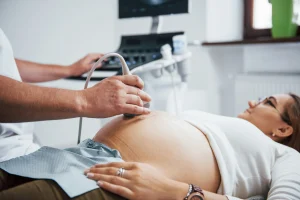
They might suggest blood and urine tests as well as an ultrasound, depending on your individual circumstances.
How Should You Care for Yourself at 8 Weeks of Pregnancy?
After 8 weeks of pregnancy, focusing on basic habits can help you support fetal development as well as your own health:
Take Prescribed Vitamins
Based on your OB-GYN’s recommendation, do take prenatal vitamins without fail. Folic acid especially matters since it minimizes the possibility of neural tube defects.
Stick to Balanced Meals
Besides whole grains and lean proteins, include calcium-loaded foods, healthy fats, and fresh fruits and vegetables in your diet. Variety ensures better nutrition.
Take Hydration Seriously
Symptoms like reduced appetite, frequent urination, and vomiting can dehydrate you quickly. Drink water throughout the day, and add lime juice or cucumber slices if plain water feels dull. Coconut water is a safe option too.
Review Medications
If you were taking any herbal, over-the-counter, or prescription medicines, consult your doctor before stopping them. The same rule holds if you are thinking of starting any new medicine.
Steer Clear of Tobacco and Alcohol
Both smoking and drinking can interfere with fetal development, so it is best to stop right away. If you are concerned about withdrawal, your doctor can guide you through it safely.
Get Emergency Attention If Necessary
In case of the following, contact your OB-GYN without delay:
- Abdominal pain that’s severe or doesn’t go away
- Fever
- Vaginal bleeding
- Significant dizziness
- Severe vomiting
Manage 8 Weeks of Pregnancy and Beyond with Awareness
Feeling uncertain at 8 weeks pregnant is completely normal. Your baby is growing rapidly, and your body is adjusting to keep pace. Understanding what’s happening can be genuinely reassuring, and it also makes it easier to talk with your doctor confidently and get your questions answered quickly.
Put Your Trust in Almara Clinic for a Safe Journey Ahead
Our board-certified OB-GYNs at Almara provide individualised care for every expecting mother, guiding you through symptoms, testing, pregnancy care, delivery, and postpartum recovery with both expertise and compassion. With 45,000+ women served annually across 175,000+ visits, our team brings extensive experience to every stage of care. If you are planning to conceive, partnering with the right doctor early on can make the entire experience feel more supported.
Contact us online or visit our location page to find the right location for you.
Email: info@helloalmara.com
FAQs
You shouldn’t eat mercury-rich, undercooked, or raw seafood when 8 weeks pregnant. Avoid undercooked eggs, poultry, and meat. Also avoid excess caffeine, unwashed fruits and veggies, and unpasteurized items.
For your prenatal visit at 8 weeks, wear loose, comfortable, breathable clothes. They should allow easy movement and ideally be free of laces, zips, or buttons.
Cravings involving salty foods, pickles, or ice cream are common during 8 weeks of pregnancy. However, it varies across women.
Yes, though uncommon, it’s possible to have very few or no symptoms during early pregnancy. It doesn’t necessarily imply something’s wrong. But consult your gynecologist for confirmation.
Yes, increased white discharge is normal in early pregnancy because of hormonal changes and more-than-usual blood flow to the vagina.