
Key Takeaways
- Feeling nervous about your first prenatal visit is completely normal. Knowing what to expect and how to prepare makes the experience much smoother.
- The visit is usually scheduled around approximately 8 weeks gestation, though it may happen earlier if you have pre-existing conditions, a history of complicated pregnancies, or symptoms like bleeding or severe pain.
- What to expect: a medical history assessment, physical exam, and pregnancy confirmation.
- Tests typically include blood and urine tests, and a pap smear if one is due.
- Preparation tips: gather your medical records, write down questions, be thorough and honest with your provider, take notes, and bring someone for support.
What Should You Know Before Your First Prenatal Visit?
Your first prenatal visit is likely to bring a mix of excitement, nerves, and a fair amount of questions. Whether you have just confirmed your pregnancy or are already a few weeks in, seeking proper medical guidance early is one of the most important steps in your journey.
At Almara Women’s Health, our board-certified OB-GYNs have been supporting women since the 1950s. We understand the varying care you need, from that very first appointment through delivery and beyond. This guide covers when the first prenatal visit typically happens, what to expect during it, and how to prepare so you can make the most of your time with your provider.
When Do You Have to Go for the First Prenatal Visit?
Typically, healthcare providers schedule the first prenatal visit around 8 weeks gestation. The precise time might vary depending on your specific symptoms, health history, or if the pregnancy is deemed high-risk.
For instance, an earlier-than-usual appointment might be scheduled if:
- You have had complications in previous pregnancies
- You are experiencing serious pain, bleeding, persistent vomiting, or dizziness
- You have pre-existing conditions
It is also worth knowing that the first prenatal visit generally runs longer than follow-up appointments, since your provider will conduct a more comprehensive health evaluation at this stage.
What Happens During the First Prenatal Visit?
The first prenatal visit centers on discussions, assessments, and planning. Here is what you can typically expect.
Medical History Evaluation
Your provider will ask about your last period and general menstrual cycle, your family medical history, any previous pregnancies, existing medical conditions, and any medications or supplements you are currently taking. This information allows the doctor to identify potential risks and tailor your care plan accordingly.
Physical Examination
To track your health properly throughout the pregnancy, the healthcare provider might conduct a general physical exam. They will measure and note your weight, height, and blood pressure. Breast and pelvic exams are often performed as well.
Pregnancy Confirmation
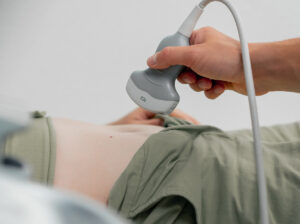
An early ultrasound might be performed at this visit. If you have any concerning symptoms, such as vaginal bleeding or severe cramping, blood tests might also be recommended.
Once the first prenatal visit is over, your provider will schedule subsequent appointments, plan upcoming ultrasounds, and track health changes and symptoms. Visits will be more frequent as the pregnancy progresses, so the doctor can be sure that both you and the baby are doing well.
What Tests Are Conducted During the First Prenatal Visit?
Several tests are commonly conducted at this appointment to assess your health, support the baby’s development, and identify any concerns early.
Blood Tests
These tests check hemoglobin levels (to rule out anemia), blood type, Rh factor, and immunity to infections such as rubella. You are also screened for infections like hepatitis, syphilis, and HIV.
Urine Test
Your urine will be checked for signs of infection.
Genetic Screening
Your gynecologist may discuss genetic screening options based on your age, medical history, and personal preferences. This is optional and the decision is entirely yours.
Pap Smear
A Pap smear might be performed during the first visit if you are already scheduled for a cervical screening.
First Prenatal Visit Checklist: How Should You Prepare for Your First Prenatal Visit?
For a smooth and productive first visit, preparing in advance is a smart idea. Here’s how to go about it:
Share Adequate Information
Gather all your medical records and carry any insurance-related paperwork. List any supplements or medicines you are presently on and your last period’s details. Make notes based on your family’s medical history, lifestyle habits (smoking, exercise, etc.), and anything that’s worrying you (like any unusual symptoms).
Ask Key Questions
Having served women across three generations at Almara Clinic, we’ll let you in on the best way to help us help you: come prepared with questions. Some questions we tend to get asked include:
- What is my estimated due date?
- What activities and foods should I avoid?
- When will I get my next ultrasound?
- How often should I go for checkups?
Maintain Honesty
Even if something feels personal or sensitive, sharing all relevant details with your healthcare provider allows them to give you the most accurate and appropriate guidance. This is a judgment-free zone!
Take Notes
Jotting down key advice or instructions during the appointment helps ensure you remember everything discussed, especially if you are processing a lot of new information at once.
Bring Someone for Support
Whether it’s your partner, a family member, or a close friend, get someone to accompany you on the first prenatal visit. This will make you feel emotionally supported.
Connect with your Almara Women’s Health clinic for Your First Prenatal Appointment and the Journey Ahead
The board-certified OB-GYNs at Almara Women’s Health bring knowledge, experience, and empathy to every patient from the very first visit. Every care plan is personalized to your needs, concerns, and goals, and you can count on open, judgment-free conversations throughout your pregnancy.
With 11 clinic locations across the Twin Cities, care is always close by.
FAQs
Yes, sharing your partner’s medical history during the first prenatal visit can be important. Doctors may review both family histories to assess the risk of hereditary conditions or genetic abnormalities that could affect the pregnancy.
Rh testing during the first prenatal visit helps identify whether there is an Rh incompatibility between the mother and baby. If the mother is Rh-negative and the baby is Rh-positive, the mother’s immune system may produce antibodies that can harm the fetus in future pregnancies if left untreated.
It is important to start taking prenatal vitamins with folic acid 1-3 months prior to conceiving. If you are at a higher risk for your pregnancy to be affected by neural tube defects (some risk factors for this type of birth defect include preexisting diabetes, obesity, being on certain types of medication, and a personal or family history of NTDs), talk to your medical provider before attempting to conceive about the proper dose of folic acid and the best timing for starting this.
During the first prenatal visit, doctors may recommend calcium-rich foods such as milk, yogurt, cheese, tofu, and leafy green vegetables, depending on your dietary preferences and nutritional requirements.
For your first prenatal visit, it’s best to wear loose, comfortable clothing that is easy to remove if needed for physical exams, blood tests, or ultrasounds.