
Partnering with the Menopause Society
Get expert answers and relief for a wide range of perimenopause and menopause symptoms at our menopause clinic in Edina. Our board-certified OBGYNs and advanced menopause care providers in Edina are trained to support you through every stage of this transition. From sleep disruptions and hot flashes to mood shifts and hormone changes, you’ll receive trusted care tailored to your needs. As one of the best menopause clinics in Edina, Almara is here to help you feel heard, understood, and supported.
10 easy-to-access Twin Cities locations
Choose from 65+ board-certified OBGYNs and APPs
Personalized Medicine
Find personalized support at our menopause clinic in Edina, where we help women navigate one of the most complex transitions in life – menopause. If left untreated, menopause can affect bone, heart, bladder, pelvic floor, mental, sexual, and vaginal health.
At Almara, we take a comprehensive, individualized approach based on your medical history, lifestyle, and long-term health goals. Our trusted menopause care providers in Edina are here to guide you with expertise and empathy every step of the way.
Menopause that begins before age 40 is known as premature menopause. It may happen naturally or due to treatments like chemotherapy or surgery. Along with potential fertility challenges, early symptoms such as hot flashes or mood shifts can appear. Care often includes hormone therapy, fertility support, and emotional guidance through this unexpected stage of life.
Perimenopause can begin years before your final period, often bringing changes like irregular cycles, mood swings, night sweats, or disrupted sleep. It’s a gradual shift that affects both body and mind. Managing this stage may include tracking symptoms, adjusting hormone levels, and providing emotional and physical support to help you feel steady through the changes.
Menopause is a transition, not a stop. Symptoms like hot flashes, dryness, and disrupted sleep are common, but they don’t have to define your life. Whether you prefer hormone therapy, natural remedies, or lifestyle changes, the focus is on helping you feel balanced, strong, and supported physically, emotionally, and beyond.
Cancer treatments can trigger early menopause or make symptoms more intense. Whether you’re undergoing treatment, in remission, or recovering, your care needs to evolve. Support may involve managing side effects, monitoring hormone-sensitive symptoms, and planning for long-term wellness, all delivered with compassion and a tailored approach.
Estrogen helps maintain bone strength, and as levels drop after menopause, the risk of osteoporosis increases. Bone health support may include screening tools like DEXA scans, movement and nutrition plans, and medication when appropriate. These strategies work together to help you stay active, mobile, and independent as you age.
After menopause, breast tissue often becomes less dense, but regular monitoring remains essential. Care may include mammograms, guidance on self-exams, and staying alert to any new symptoms. If you’re on hormone therapy, keeping up with screenings can help catch concerns early and support long-term breast health.
Frequent urges, leaks, and urinary tract infections are common after menopause due to changes in tissue and pelvic floor strength. But these symptoms aren’t something you simply have to live with. Treatment may include pelvic therapy, topical estrogen, or behavioral strategies designed to restore comfort and confidence.
After menopause, lowered estrogen levels can raise your risk for heart disease. Blood pressure, cholesterol, and inflammation may all shift, requiring more attention than before. Heart-focused care includes lab testing, preventive strategies, and lifestyle support, all designed to protect your heart and keep you feeling strong as you age.
This type of therapy can relieve symptoms such as night sweats, vaginal dryness, as well as hot flashes. While not a fit for everyone, many find it brings significant comfort. It’s about finding the right approach for your body and goals, with safety, clarity, and long-term well-being in mind.
Hot flashes — the sudden wave of heat, sweating, or flushing — are one of the most common signs of menopause. They can be brief or last several minutes. Common triggers include stress, spicy food, or alcohol. Relief may come through hormone therapy, lifestyle adjustments, or non-hormonal options, depending on what feels right for you.
Irritability, anxiety, mood swings, or brain fog can become more noticeable during menopause. These symptoms are valid and often connected to hormonal changes. Care may include therapy, medication, and emotional support because your mental health is an essential part of feeling whole during this stage of life.
Shifts in metabolism are common after menopause, often showing up as weight gain or fatigue. These changes are hormonal in nature, not just about diet or activity. Support may involve lab testing, personalized nutrition, and strength-based movement strategies to help you adapt with confidence, not pressure.
Menopause can influence how you connect with others, how you see yourself, and how you show up in relationships, work, and everyday life. Feelings of isolation, identity shifts, or changes in confidence are common, but often unspoken. Social wellness during this time is about feeling seen, supported, and understood. Whether through conversation, community, or counseling, you deserve meaningful connection and space to share your experience without judgment.
Menopause can affect your ability to fall and stay asleep, especially with night sweats, anxiety, or hormonal fluctuations in the mix. Addressing sleep during menopause may involve new bedtime routines, better sleep hygiene, or treatments like melatonin or hormone therapy. Quality sleep is foundational; it deserves focused care, just like any other part of your health.
Hormonal shifts can affect desire, intimacy, and self-image, but sexuality doesn’t end with menopause. From addressing dryness and low libido to exploring emotional connection, sexual wellness includes everything from estrogen treatments to lubricants or simply having a space to talk openly and without judgment.
After menopause, low levels of estrogen can lead to dryness, irritation, or changes in discharge. Local treatments like vaginal moisturizers or estrogen creams can help restore comfort and ease. The right option depends on your symptoms, preferences, and daily routine.
Postmenopausal bleeding, pelvic pain, or unusual discharge shouldn’t be ignored. Uterine care often involves pelvic exams, imaging, or biopsies to check for underlying issues. Many conditions are manageable when caught early, and ongoing attention to uterine health helps protect your overall well-being, even long after your last period.
Ovaries may slow down after menopause, but still require attention. Issues like pelvic pain, bloating, or irregular bleeding could signal cysts or other concerns. Ongoing care, including exams or imaging, helps track changes early, especially if there’s a family history of ovarian or reproductive cancers.

~ Andrea
A different kind of care
Almara Women’s Health is an independent, physician-led practice built around the needs of women. As a trusted menopause clinic in Edina, we provide personalized, evidence-based care that supports every stage of life, with a focus on longevity, confidence, and whole-person wellness.
Expert menopause care available at our Edina locations. Find the clinic nearest to you and book your visit with ease.
The practical science women need

TL;DR What Is Women’s Health Month and Why Does It Matter? Every May, Women’s Health Month is an opportunity to talk about something that deserves

TL;DR Understanding the Different Stages of Labor: Ease Your Transition to Motherhood At Almara Women’s Health, we have witnessed moms-to-be go through unique labor experiences
TL;DR Take Charge of Your Physical & Emotional Health Feeling some physical discomfort or emotional changes before your period is common and is part of

TL;DR Managing the Challenges of Menopause At Almara, we meet women every day seeking guidance on navigating this natural life transition. Menopause brings meaningful changes,
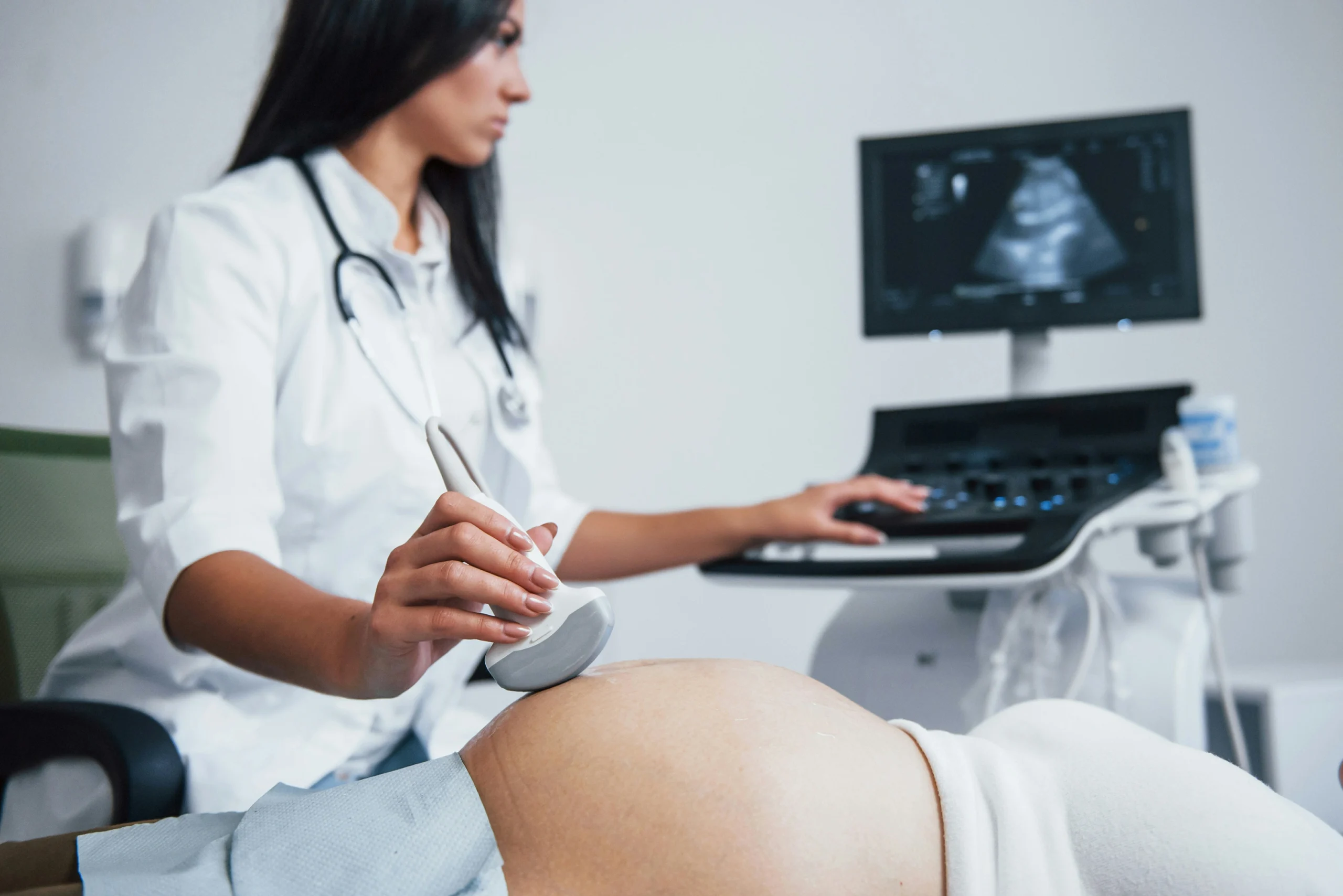
Key Takeaways What Can an Ultrasound Tell You About Your Pregnancy? When you are expecting, it’s natural to have countless questions about your baby’s development

TL;DR Decode Menstrual Cycle Phases and Understand Your Body Better Aunt Flo visits you every month, but how much do you really know about your
Get answers
Yes, declining estrogen levels can lead to dry skin, thinning hair, and changes in texture. Some people notice increased sensitivity or slower healing as well.
For some, migraines may become more frequent or intense due to hormonal fluctuations. Others may notice improvement once hormone levels stabilize.
Yes, hormone shifts may alter how your body regulates temperature and sweat, and can slightly change body odor. This is common and usually manageable.
Yes, some people experience dry mouth, increased gum sensitivity, or changes in taste. Maintaining dental checkups is important during and after menopause.
Hormonal changes can affect your joints, often causing stiffness or aches, especially in the morning. This is a lesser-known but common menopause symptom.
Hormonal changes can influence digestion, causing bloating, constipation, or changes in gut sensitivity. Some people also notice food intolerances during this time.
This refers to the years after menopause has occurred. While some symptoms fade, others, like bone loss or heart risk, may increase and require long-term management.