
Key Takeaways
- For women seeking motherhood, conception difficulties can be frustrating. However, knowing about the signs of infertility can help you understand your reproductive health and consult a doctor at the earliest.
- When a woman can’t conceive even after 1 year (or 6 months in case of those over 35) of unprotected and regular sex, it’s deemed as infertility.
- Physical Symptoms that can sometimes be associated with infertility:
- irregular or absent periods
- absent signs of ovulation (such as on over-the-counter ovulation prediction kits)
- painful periods
- painful intercourse
- history of multiple pregnancy losses
- chronic pelvic pain
- Diagnosis methods for infertility: Medical history and cycle review, ovulation testing, pelvic ultrasounds, hormone blood tests, and uterine and fallopian tube assessments.
- To boost overall reproductive health, eat balanced meals, maintain a healthy weight, get enough sleep, control stress, avoid alcohol and smoking, and get emotional support.
Awareness is the Key to Seeking Timely Help
Struggling to conceive can be an emotional and deeply personal experience, especially when you’re ready and hopeful to begin your journey into motherhood. It’s natural to feel confused, frustrated, or worried.
Having clear, reliable information can make a meaningful difference during this time. Understanding your reproductive health empowers you to recognise potential concerns early and seek medical guidance with confidence, rather than uncertainty or fear.
Understanding Infertility in Women
If you’re unable to conceive after a year of regular, unprotected intercourse or after six months if you’re over 35, it may indicate infertility. However, this doesn’t mean pregnancy isn’t possible. Many underlying causes of infertility can be successfully treated with the right care and support.
Assessment of Fertility
Here are the common diagnostic methods doctors might recommend based on your age, medical history, and symptoms.
- Review of Medical History and Cycle: Provider asks about cycle length and regularity, past pregnancies, birth control history, any pelvic pain, previous pelvic infections, exercise, stress, etc., to identify hormonal or ovulation issues.
- Ovulation Testing: Blood tests, ovulation predictor kits, and cycle tracking help measure hormone levels, track surges, and spot irregular or absent ovulation.
- Other Blood Tests: These might include assessment of your thyroid function and prolactin level, and other possible blood tests.
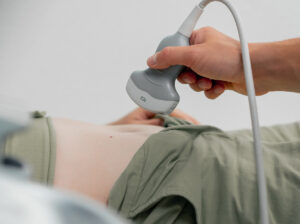
- Pelvic Ultrasound: This allows doctors to view your reproductive organs clearly and identify fibroids, ovarian cysts, uterine abnormalities, or other conditions.
- Uterine and Fallopian Tube Evaluation: Tests are conducted to check if the fallopian tubes are blocked and to assess the shape and contour of your uterine cavity.
- Additional Tests: These are recommended if the above tests aren’t conclusive.
Ways to Boost Your Reproductive Health
The signs of female infertility outlined above should be evaluated with timely medical care so any underlying causes can be properly treated. In the meantime, you can take the following steps to help improve your chances of conception:
- Eat a balanced diet that incorporates whole grains, healthy fats, lean proteins, and fresh fruits and veggies.
- Try to maintain a healthy weight by exercising regularly, moderating portions, and avoiding fried, salty, and sugary foods.
- Handle stress with breathing exercises, yoga, or relaxation techniques.
- Get adequate and undisturbed sleep.
- Avoid excessive alcohol, and stay away from all tobacco and other drug products.
- Seek support from your partner and loved ones to deal with any sadness or frustration.
Knowing about Signs of Infertility Helps You Take the Right Step at the Right Time
Signs of infertility can show up as changes in your cycle, repeated pregnancy loss, ongoing pelvic discomfort, or hormonal imbalance. While this can feel worrying, recognising the signs early and seeking medical guidance can greatly improve your chances of conception. With the right care, many women can move forward successfully. Doctors may suggest lifestyle changes, targeted treatments, or support for underlying conditions to help you take the next steps with reassurance and confidence.
Also read: Causes of female infertility
Consider Almara Women’s Health for Effective Infertility Treatment
The board-certified OB-GYNs combine medical expertise with genuine compassion. They take the time to assess your reproductive health, explain potential signs of infertility, carry out appropriate testing, and guide you towards the most suitable treatment options. With personalised care and clear support, you can feel informed, reassured, and hopeful as you move forward.
Visit one of our 11 Twin Cities locations to learn more, or contact Almara directly at info@helloalmara.com to take the next step.