
Key Takeaways
- Uterine fibroids are non-cancerous growths. They are common among women in their reproductive years, but not all are equally affected.
- These benign tumors, based on location, can be intramural, subserosal, or submucosal. And they are made of muscle and fibrous tissue. Fibroids can be multiple and of varied sizes.
- Symptoms usually include heavy periods, pelvic pressure, constipation, lower back pain, fertility issues, etc.
- Causes encompass genetics, hormones, growth factors, and environmental and lifestyle factors.
- Treatments include watchful waiting, medications, UAE, focused ultrasound, myomectomy, and hysterectomy.
- Lifestyle changes that might improve symptoms include healthy weight maintenance, balanced diet, stress management, and regular exercise.
What Do You Need to Know About Uterine Fibroids?
By the age of 50, between 20% and 80% of women may develop uterine fibroids. These growths are most common in women of reproductive age and are non-cancerous. Many women who have them are never aware of it, and fibroids sometimes shrink after menopause due to hormonal changes.
Our board-certified physicians at Almara see women whose everyday lives and overall well-being are significantly affected. Symptoms like chronic pelvic pain or very heavy bleeding can interfere with work, intimacy, and general quality of life in ways that deserve proper attention and care.
This guide covers what uterine fibroids are, what causes them, what symptoms to watch for, and how they are typically treated, so you can make informed decisions without unnecessary stress.
What Are Uterine Fibroids?
Also known as myomas or leiomyomas, these fibroids are benign tumors that form around or inside the uterus. Composed of fibrous tissue and muscle, they can be as tiny as a seed or as big as a tomato.
Based on where they develop, uterine fibroids are categorized into:
- Intramural: Inside the wall of the uterus
- Subserosal: On the uterus’s outer surface
- Submucosal: Inside the cavity of the uterus
It’s possible to develop one or more fibroids, of varying sizes. The number and sizes can also change with time.
What Are the Symptoms of Uterine Fibroids?
Not all uterine fibroids cause noticeable symptoms. When they do, the symptoms vary depending on the location, size, and number of fibroids present.
Extended or Heavy Periods
Menstrual bleeding may be excessive or prolonged, sometimes leading to anemia over time.
Pelvic Pressure or Pain
Larger uterine fibroids can cause a feeling of fullness or pressure in the lower abdomen, sometimes accompanied by pain.
Lower Back Pain
If fibroids exert pressure on surrounding nerves, you might experience back or leg pain that persists.
Constipation
Fibroids might exert pressure on the rectum, which might impact bowel movements.
Frequent Urination
Pressure from fibroids on the bladder can lead to more frequent bathroom visits and
disrupt daily routines.
Painful Intercourse
Depending on their location, certain fibroids can make intimacy uncomfortable or even painful.
Fertility Issues
While fibroids don’t necessarily interfere with fertility, in some cases, they might have an impact based on their location and size. For instance, they might prevent a fertilized egg from implanting, increase miscarriage risk, or make pregnancy progression difficult.
What Causes Uterine Fibroids?
The exact cause is not fully understood, but several factors are thought to contribute to fibroid development.
Hormones
Estrogen and progesterone influence fibroid growth. These hormones stimulate the uterine lining and can also trigger fibroid formation.
Growth Factors
Substances that support tissue maintenance in the body may influence how fibroids develop and grow.
Genetics
Family history plays a role in the development of uterine fibroids. If a mother or sister has had fibroids, the likelihood of developing them is higher.
Environmental and Lifestyle Factors
Stress levels, diet, and general health may all contribute to fibroid development.
The likelihood of developing uterine fibroids is also higher if you started menstruating early, are in your 30s or 40s, have hormonal imbalances, or suffer from obesity.
When Should You See a Doctor About Uterine Fibroids?
Consulting a healthcare provider is advisable if you are experiencing:
- serious pelvic pain
- heavy or prolonged periods
- rapid abdominal swelling
- difficulty with urination and bowel movements
- Issues with conception
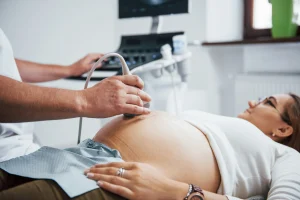
Gynecologists typically diagnose uterine fibroids through pelvic exams and imaging tests. Common diagnostic methods include:
- Ultrasound: Non-invasive and widely used method
- MRI: Generates detailed images in case of complications
- Hysteroscopy: Allows viewing of the uterus’s interior
Treatment is most effective when diagnosis and intervention happen on time.
What Are the Treatment Options for Uterine Fibroids?
Small fibroids without noticeable symptoms may not require treatment. When treatment is appropriate, the approach is guided by your overall health, age, symptoms, and reproductive goals.
Watchful Waiting
In case of mild symptoms, your gynecologist might simply suggest monitoring without active intervention.
Medications
Certain medicines might be recommended to regulate hormones, manage pain, and reduce excessive bleeding.
Non-Surgical Solutions
Uterine artery embolization (UAE) blocks blood supply to fibroids, causing them to shrink. MRI-guided focused ultrasound is another technique that uses sound waves to break down fibroid tissue without surgery.
Surgical Methods
Myomectomy removes fibroids while preserving the uterus, making it an option for women who wish to maintain their fertility. Hysterectomy, which is the complete removal of the uterus, may be recommended when reproductive goals have been met or the health situation requires it.
Can Lifestyle Changes Help Control the Symptoms of Uterine Fibroids?
Though lifestyle modifications cannot make uterine fibroids go away, they might be able to support your overall wellness and help manage symptoms:
- Keep your weight at a healthy level, as excess might cause hormonal imbalances.
- Ensure your diet is balanced and incorporates enough lean proteins, whole grains, and fresh veggies and fruits.
- Handle stress with breathing exercises, yoga, or meditation.
- Get some exercise regularly as it contributes to hormonal regulation and overall health.
Uterine Fibroids Shouldn’t Stop You from Living Your Best Life
Though quite common, uterine fibroids can sometimes impact daily life and overall wellness through various symptoms. In case you are planning to start a family, addressing any existing fibroids might be essential. If you’ve been worrying about some unexplained changes in your body, take this as your sign to get a check-up with an experienced gynecologist.
Manage Uterine Fibroids Effectively with Almara
At Almara, we have been treating women for uterine fibroids since the 1950s. We are proud to work as a physician-owned OBGYN and women’s health practice. Our gynecologists are 100% board-certified and can tailor the best plans for symptom management or treatment. We take into account medical history, risk factors, reproductive goals, and lifestyle before any recommendations are made.
If you are experiencing symptoms discussed in this guide or have concerns about your reproductive health, contact us to schedule an appointment. You can reach the team at info@helloalmara.com. With 11 clinics across the Twin Cities, expert care is always close by.
FAQs
While there is no guaranteed way to stop uterine fibroids from coming back after surgery, maintaining a healthy weight, managing stress, limiting processed foods and alcohol, and attending regular follow-up appointments may help reduce the risk of recurrence.
Yes, you can still develop uterine fibroids even if your mother did not have them. Factors such as age, hormones, lifestyle, environment, body weight, growth factors, and the age at which menstruation began can all influence your risk.
Big uterine fibroids do not always require surgery. Treatment depends on factors such as the fibroid’s size, location, growth rate, and the severity of symptoms. A gynecologist can recommend the most suitable approach based on your condition.
Heavy periods are not always caused by uterine fibroids. They may also be linked to conditions such as endometriosis, pelvic inflammatory disease, polycystic ovary syndrome (PCOS), or hormonal imbalances.
Uterine fibroids have less than 1% chance of being cancerous. In rare cases, warning signs may include rapid fibroid growth, severe pelvic pain, or the development of a fast-growing pelvic mass.